Moroccan Road Etiquette: Understanding the 'unwritten rules' of the highway
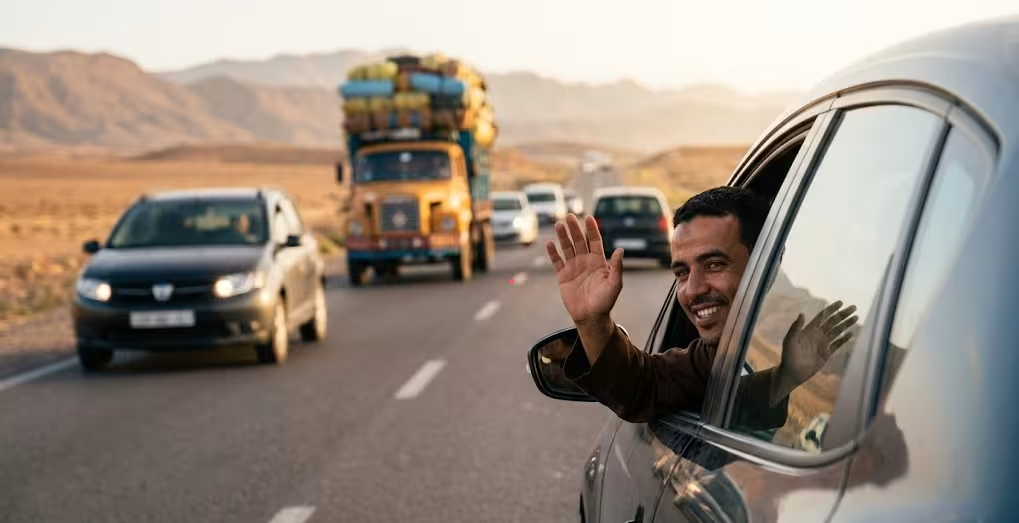
Mastering the Flow: The Unwritten Rules of Moroccan Highway Etiquette
Driving on Morocco’s modern highway network, such as the A1 or A3, is a visually stunning experience, but for the international traveler, the true challenge isn't the infrastructure—it's the communication. Beyond the official traffic laws, there exists a vibrant, organic set of unwritten rules that local drivers use to navigate the roads. Understanding these cultural nuances is what separates a stressed tourist from a confident explorer. When you rent a premium vehicle with Ouailcar, you have the hardware for a perfect trip; this guide provides the software. We will decode the silent language of Moroccan highways, from the secret meaning of flashing lights to the art of lane sharing, ensuring you move through the Kingdom with the grace and intuition of a local.
The Language of Light: More Than Just Visibility
In Europe or North America, flashing your high beams is often seen as a sign of aggression or a warning of a hazard. In Morocco, it is a multi-purpose tool for polite communication.
The Thank You and the Go Ahead
If a truck or a slower vehicle moves to the shoulder to let you pass on a narrow road, a quick flash of your headlights or a brief hazard light blink is the standard way to say shukran (thank you). Conversely, if you are at an intersection and a driver flashes their lights at you, they are often inviting you to proceed. In the Moroccan context, light is a gesture of courtesy. However, on the highway, if someone behind you flashes their lights, they aren't being rude; they are simply announcing their intention to overtake at a higher speed. In a Ouailcar premium sedan, you’ll find that a calm response to these signals makes for a much more harmonious journey.
The Organic Lane: Flexibility Over Rigidity
One of the first things you will notice on Moroccan highways is that lane markings are often treated as guidelines rather than strict boundaries. This is especially true when passing through areas with heavy truck traffic or near construction zones.
Strategic Positioning
Drivers in Morocco often position themselves slightly toward the center or the shoulder to provide more room for overtaking vehicles or to avoid heat-warped asphalt. This fluid lane usage requires you to be more aware of your surroundings than usual. Instead of staying rigidly in the center of your lane, observe the flow. If a vehicle ahead of you is hugging the left line, they might be preparing for a maneuver or avoiding a road imperfection. Maintaining a flexible mindset and a wide safety margin—easily done with the responsive steering of our Ouailcar fleet—allows you to blend into this organic rhythm safely.
Roundabout Rituals: The Art of Assertiveness
While the law states that those inside the roundabout have priority, the unwritten rule in busy cities like Casablanca or Marrakesh is controlled assertiveness. Drivers entering a roundabout will often slowly edge forward to signal their intent. The key is to be predictable. Avoid sudden stops or erratic movements. If you move with confidence and use your indicators early, other drivers will adjust to your path. It is a social contract of movement where everyone is looking for the smoothest path forward.
Drive with an Open Mind
Adopting Moroccan road etiquette isn't about breaking the law; it’s about understanding the social fabric of the road. By recognizing these unwritten rules, you reduce your stress levels and increase your safety. At Ouailcar, we provide you with a vehicle that commands respect and offers top-tier safety features, but it is your understanding of the local flow that truly completes the premium experience. Embrace the communication, stay observant, and enjoy the unique, vibrant energy of the Moroccan highway.